Category

Cancer Awareness

Understanding and Preventing Bladder Cancer

Bladder cancer affects thousands of individuals each year, yet awareness and understanding remain limited. In this article we discuss bladder cancer, its risk factors, symptoms, and how to prevent it.

Understanding Bladder Cancer

Bladder cancer begins when cells in the bladder start to grow uncontrollably, forming a tumor. It is the sixth most common cancer in the United States, with the majority of cases occurring in men, although women can also be affected. The most common type of bladder cancer is urothelial carcinoma, but other types include squamous cell carcinoma and adenocarcinoma.

Risk Factors

Several factors can increase the risk of developing bladder cancer:

  • Smoking: Tobacco use is the most significant risk factor, contributing to approximately half of all bladder cancer cases.
  • Chemical Exposure: Certain industrial chemicals used in dye, rubber, leather, textile, and paint production can increase risk.
  • Chronic Bladder Inflammation: Long-term bladder inflammation, often caused by infections or prolonged use of catheters, can contribute to cancer development.
  • Age and Gender: The risk of bladder cancer increases with age and is more common in men than in women.
  • Family History: A family history of bladder cancer can also increase risk.

Symptoms to Watch For

Early detection is key to successful treatment. Be aware of the following symptoms and consult a healthcare provider if you experience any:

  • Blood in the urine (hematuria)
  • Frequent urination
  • Painful urination
  • Back or pelvic pain

Prevention and Early Detection

While some risk factors like age and genetics cannot be controlled, others can be mitigated. To reduce the risk of bladder cancer:

  • Quit Smoking: Eliminating tobacco use can significantly lower your risk.
  • Limit Chemical Exposure: If you work with industrial chemicals, follow safety guidelines to minimize exposure.
  • Stay Hydrated: Drinking plenty of water helps dilute harmful substances in the bladder.
  • Regular Check-Ups: Routine medical exams can help detect early signs of bladder cancer.

By committing to increasing our knowledge, supporting those affected, and advocating for continued advancements in cancer care. Together, we can make a difference in the fight against bladder cancer.

Testicular Cancer Treatment

Exploring Treatment Options for Testicular Cancer: A Comprehensive Guide

Facing a diagnosis of testicular cancer can be overwhelming, but knowing your treatment options can provide clarity and direction. There are several treatment modalities available for testicular cancer, highlighting their benefits, considerations, and potential side effects. Treatment for testicular cancer is highly individualized and may involve a combination of surgery, radiation therapy, chemotherapy, targeted therapy, or participation in clinical trials. By working closely with their healthcare team and exploring all available options, patients can make informed decisions about their care and improve their chances of a successful outcome.

Surgery: Surgery is often the primary treatment for testicular cancer. The most common surgical procedure is a radical inguinal orchiectomy, which involves the removal of the affected testicle through an incision in the groin. In cases where the cancer has spread to nearby lymph nodes, a retroperitoneal lymph node dissection (RPLND) may be performed to remove these lymph nodes.

Radiation Therapy: Radiation therapy uses high-energy beams to target and destroy cancer cells. It may be recommended for seminomas or as adjuvant therapy following surgery to reduce the risk of cancer recurrence. Radiation therapy is typically well-tolerated, but it may cause side effects such as fatigue, skin irritation, and long-term infertility.

Chemotherapy: Chemotherapy involves the use of powerful drugs to kill cancer cells or slow their growth. It may be administered before or after surgery, depending on the stage and type of testicular cancer. Chemotherapy regimens for testicular cancer often include a combination of drugs. While chemotherapy can be effective in treating testicular cancer, it may cause side effects such as nausea, hair loss, and increased risk of infection.

Targeted Therapy: Targeted therapy targets specific molecular pathways involved in cancer growth and progression. For example, drugs may be used to treat certain types of testicular cancer that have spread or recurred despite other treatments. Targeted therapy offers the potential for more precise and effective treatment with fewer side effects compared to traditional chemotherapy.


Understanding Testicular Cancer

Understanding Testicular Cancer: Symptoms, Risk Factors, and Early Detection

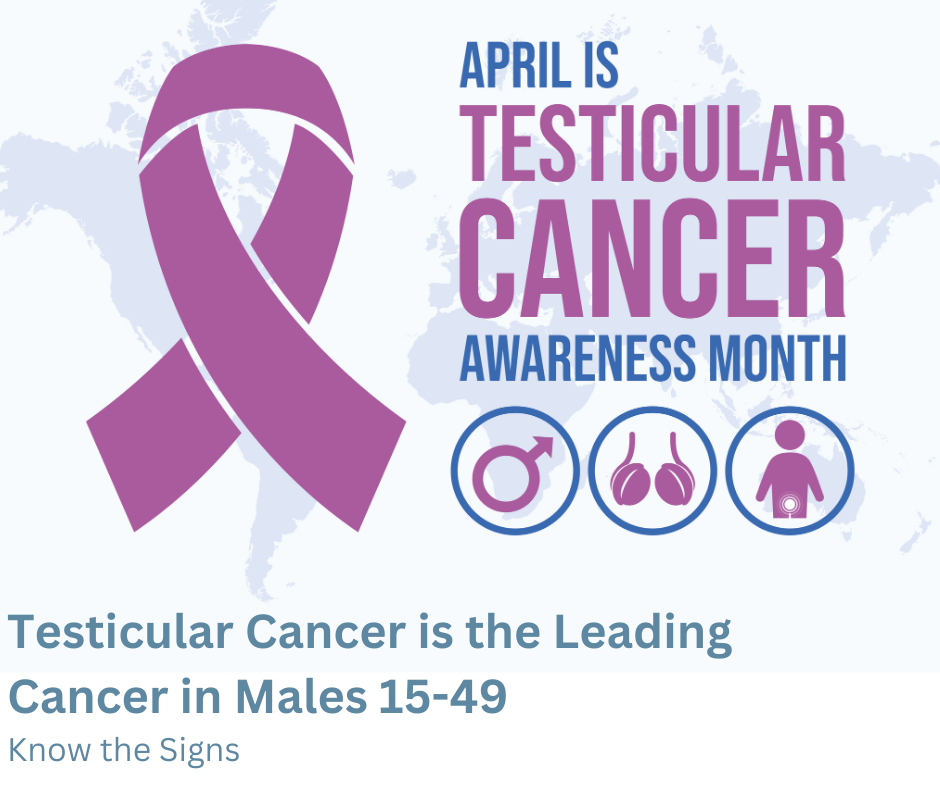
Testicular cancer is a relatively rare but important health concern for men. Despite its lower prevalence compared to other cancers, understanding its symptoms, risk factors, and the importance of early detection is crucial for improving outcomes.

Symptoms: The most common symptom of testicular cancer is a lump or swelling in one of the testicles. Other potential symptoms include pain or discomfort in the testicle or scrotum, changes in testicle size or shape, a feeling of heaviness in the scrotum, fluid accumulation in the scrotum, and back pain. It’s essential to note that not all men with testicular cancer will experience symptoms, especially in the early stages.

Risk Factors: Several factors may increase the risk of developing testicular cancer, including age (most common in younger men), family or personal history of testicular cancer, undescended testicles (cryptorchidism), HIV infection, and ethnicity (more common in white men). Understanding these risk factors can help individuals assess their susceptibility and take appropriate precautions.

Early Detection: Regular testicular self-exams are crucial for early detection of testicular cancer. By familiarizing themselves with the normal size, shape, and texture of their testicles, men can promptly identify any abnormalities and seek medical attention. Additionally, routine medical check-ups enable healthcare providers to conduct thorough physical examinations and screen for any signs of testicular cancer.

Testicular cancer may not be as widely discussed as other cancers, but awareness and early detection are paramount for successful treatment and improved outcomes.

Colorectal Cancer Symptoms: Know the Signs

Colorectal cancer is a prevalent and potentially life-threatening disease, but it’s often treatable when detected early. Recognizing the symptoms of colorectal cancer is crucial for prompt diagnosis and intervention. Below are signs and symptoms of colorectal cancer to be aware of, emphasizing the importance of paying attention to your body and seeking medical attention if any concerning symptoms arise.  

Common Symptoms of Colorectal Cancer: 

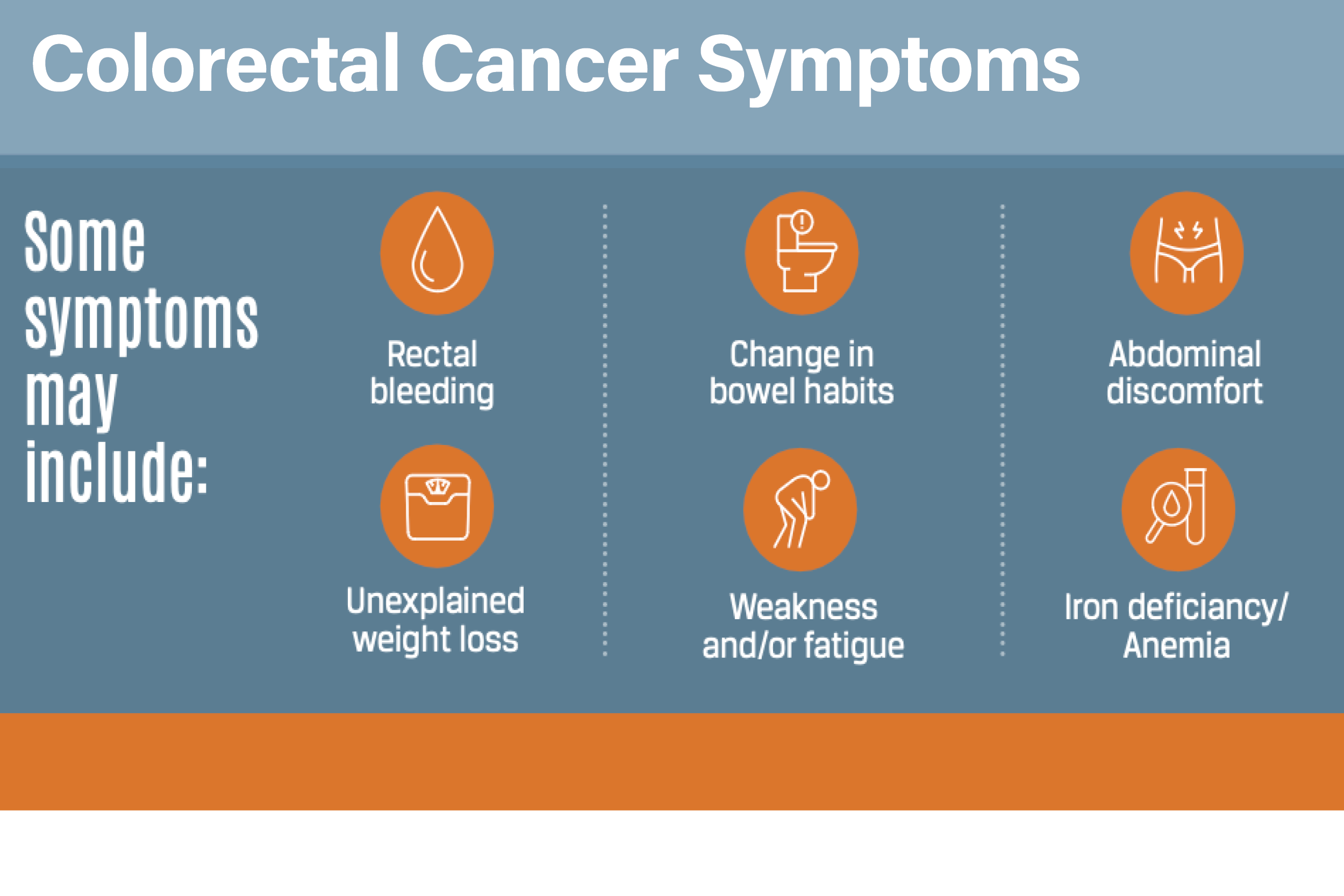
Changes in Bowel Habits: Persistent changes in bowel habits, such as diarrhea, constipation, or changes in stool consistency, may indicate colorectal cancer. Pay attention to any unusual or unexplained changes in your bathroom routine. 

Rectal Bleeding: Blood in the stool or rectal bleeding is a common symptom of colorectal cancer. While rectal bleeding may be caused by other conditions, such as hemorrhoids or anal fissures, it’s essential to consult a healthcare professional to rule out colorectal cancer. 

Abdominal Discomfort: Persistent abdominal pain, cramping, or discomfort, particularly if it’s accompanied by other symptoms, should be evaluated by a doctor. Colorectal cancer can cause abdominal discomfort as tumors grow and press on surrounding tissues. 

Unexplained Weight Loss: Unintentional weight loss, especially if it occurs rapidly and without changes in diet or exercise, can be a red flag for colorectal cancer. Cancer-related weight loss may be due to a combination of factors, including loss of appetite, changes in metabolism, and cancer-related fatigue. 

Fatigue: Fatigue or weakness that doesn’t improve with rest is another potential symptom of colorectal cancer. Cancer-related fatigue can be debilitating and may interfere with daily activities, so it’s essential to address it promptly.

When to Seek Medical Attention: 

If you experience any of the symptoms mentioned above, it’s crucial to consult a healthcare professional promptly. While these symptoms may not always indicate colorectal cancer, they should not be ignored, as early detection can significantly improve treatment outcomes. Your doctor can perform a thorough evaluation, including physical examination, medical history review, and diagnostic tests, to determine the underlying cause of your symptoms. 

Don’t hesitate to consult a healthcare professional if you experience any concerning symptoms. Remember, early detection saves lives. 

Shedding Light on Prostate Cancer


We recognize the significance of prostate health and the importance of raising awareness about prostate cancer—a prevalent concern among men. Prostate cancer develops in the prostate gland, a small organ crucial for reproductive health.

While the exact causes of prostate cancer remain unclear, factors such as age, family history, and ethnicity can contribute to an increased risk. Regular check-ups and screenings are vital for early detection, as prostate cancer often presents with minimal symptoms in its early stages.

Our urology specialists emphasize the importance of informed decision-making when it comes to prostate health. Screening methods, including the prostate-specific antigen (PSA) test and digital rectal exams, assist in identifying potential concerns.

If diagnosed, various treatment options are available, ranging from active surveillance for slow-growing tumors to surgery, radiation therapy, and advanced medical therapies. We are committed to providing personalized care, guiding individuals through every step of their prostate cancer journey.

By fostering awareness, promoting regular screenings, and offering comprehensive support, we aim to empower men in their proactive pursuit of prostate health. Trust us to be your partners in navigating the complexities of prostate cancer and ensuring a path to enduring urologic well-being.

Colorectal Cancer: Causes & Risk Factors


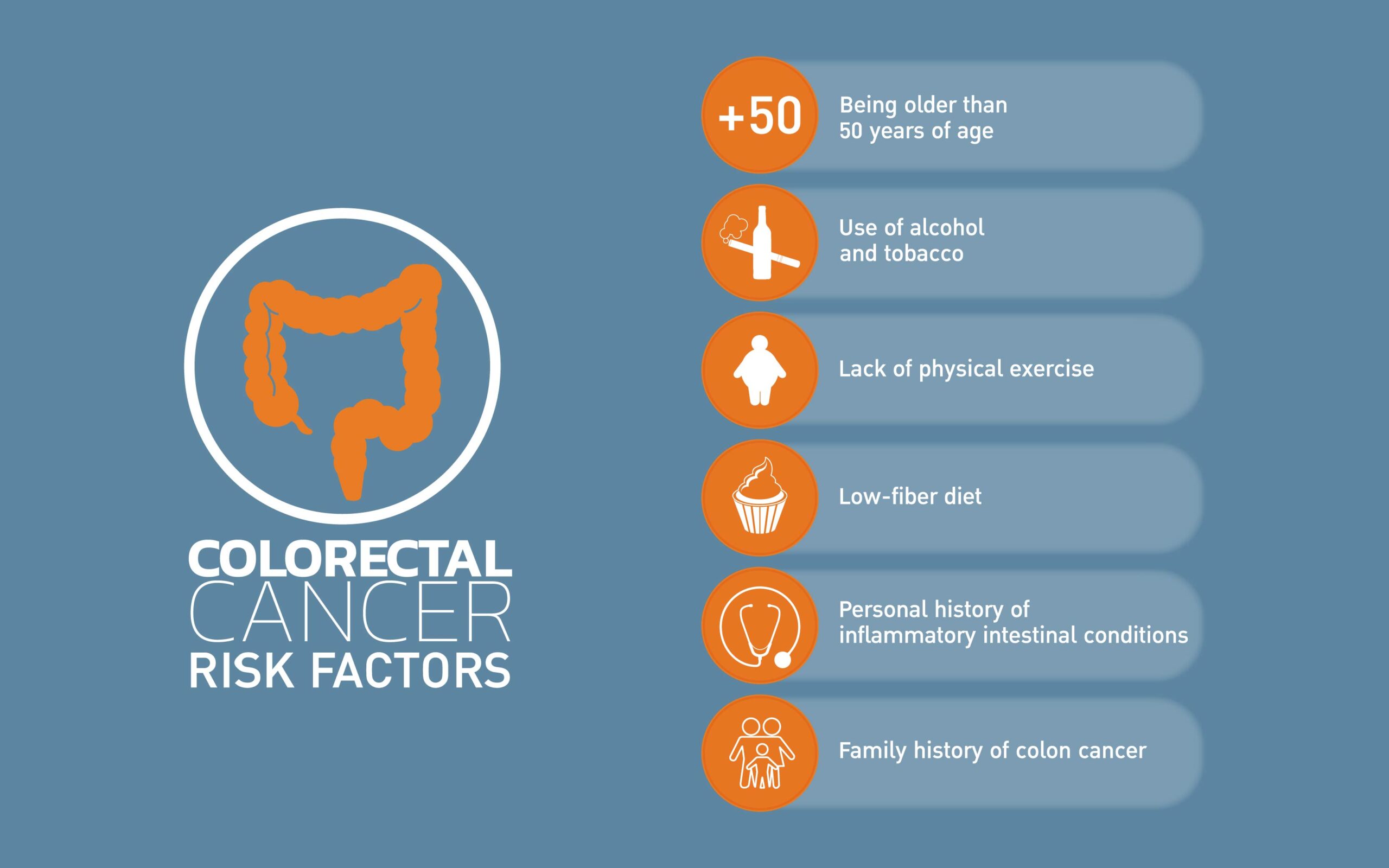
Colorectal cancer, is influenced by genetic, lifestyle, and environmental factors. Understanding its causes and risk factors is key for prevention and early detection.

Causes:

Genetic predisposition: Certain genetic mutations like FAP or Lynch syndrome increase susceptibility.

Inflammation: Chronic conditions like IBD raise the risk of colorectal disease.

Diet and lifestyle: High red meat consumption, low fiber intake, smoking, and obesity are associated with higher risks.

Risk Factors:

Age: Risk increases after 50, making regular screenings vital.

Family history: Those with relatives with colorectal disease are at higher risk.

Personal history: Previous diagnoses of colorectal cancer or polyps increase susceptibility.

Lifestyle: Unhealthy habits like poor diet and lack of exercise elevate risk.

Medical conditions: Diabetes, obesity, and chronic inflammatory conditions increase susceptibility.

Promoting Colorectal Health:

Adopt a healthy lifestyle: Balanced diet, exercise, no smoking, limited alcohol.

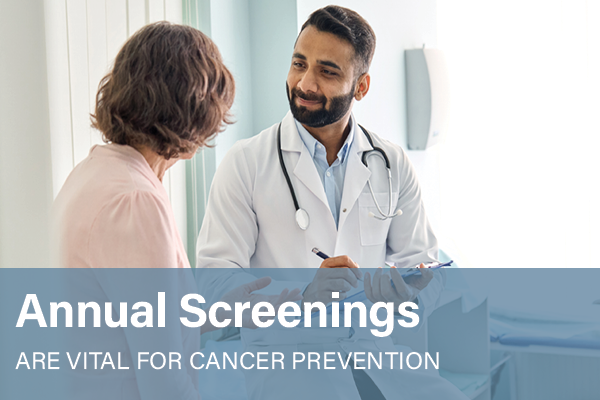
Get screened: Regular screenings, starting at 45 or earlier for high-risk individuals, aid early detection.

Know family history: Discuss family history with a healthcare provider for tailored advice.

Be vigilant: Pay attention to symptoms like changes in bowel habits and seek medical attention promptly.

By understanding causes, risk factors, and promoting healthy habits, individuals can lower their risk of colorectal disease and prioritize their well-being. Let’s spread awareness and encourage proactive health measures!

What is Colorectal Cancer?

Colorectal cancer, often referred to as bowel cancer, colon cancer, or rectal cancer, is a type of cancer that affects the colon or rectum. It’s one of the most common forms of cancer worldwide, but with early detection and appropriate treatment, it is highly treatable.

This type of cancer typically develops from polyps, abnormal growths in the lining of the colon or rectum. While not all polyps become cancerous, some have the potential to transform into cancer over time. The causes of colorectal cancer are multifactorial and may involve a combination of genetic, environmental, and lifestyle factors.

Risk factors for colorectal cancer include age, family history of colorectal cancer or polyps, personal history of inflammatory bowel disease, certain genetic syndromes, diets high in red and processed meats, sedentary lifestyles, obesity, smoking, and heavy alcohol use. Recognizing these risk factors is crucial for understanding one’s susceptibility to the disease.

Common symptoms of colorectal cancer may include a change in bowel habits, rectal bleeding or blood in the stool, persistent abdominal discomfort, weakness or fatigue, and unexplained weight loss. However, it’s important to note that early-stage colorectal cancer often shows no symptoms, underscoring the importance of regular screening for early detection.

By increasing awareness and understanding of this disease, individuals can take proactive steps to limit their risk and seek timely medical attention.

The Power of Healthy Lifestyle Practices for Cancer Prevention


Healthy lifestyle practices can have a significant impact in reducing the risk of cancer. Incorporating healthy habits like focused nutrition, physical activity, staying away from tobacco, and sun safety, you can prevent various types of cancer.

Nourishing the Body for Wellness

Nutrition plays a fundamental role in cancer prevention. By incorporating balanced and nutritious diet rich in fruits, vegetables, whole grains, and lean proteins, individuals can fortify their bodies with essential nutrients and antioxidants that support overall health and reduce the risk of certain cancers.

The Power of Physical Activity

Regular physical activity contributes to overall fitness and cancer prevention. Engaging in moderate to vigorous physical activities can help individuals maintain a healthy weight, reduce the risk of certain cancers, and promote overall well-being.

Breaking Free from Tobacco

Staying away from tobacco is critical in cancer prevention. By quitting smoking and avoiding exposure to secondhand smoke, individuals can significantly lower their risk of developing lung cancer and other tobacco-related cancers.

Embracing Sun Safety Practices

Practicing sun safety, such as using sunscreen, wearing protective clothing, and seeking shade, can help reduce the risk of skin cancer caused by harmful ultraviolet (UV) radiation.

Taking Charge of Our Health

Together, let’s prioritize our health and well-being. Our providers are here to help! Contact us today to learn more about our services.

Early Detection and Screening for Cancer

As we commemorate National Cancer Prevention Month, it is crucial to recognize the importance of early detection and screening in the ongoing battle against cancer. Regular screenings for different cancer types can greatly impact timely intervention and treatment outcomes.

Importance of Regular Screenings

Regular screenings for various types of cancer, such as breast, cervical, colorectal, prostate, and lung cancer, play a fundamental role in detecting cancer at its earliest stages. These screenings allow healthcare professionals to identify abnormalities or cancerous growths before symptoms begin, increasing the chances of successful treatment and improved prognosis.

Available Screening Methods

From mammograms and Pap tests to colonoscopies and PSA tests, there are diverse screening methods tailored to detect different types of cancer. Understanding these screening options and their recommended frequencies allows patients to be involved with their preventive healthcare and advocate for their well-being.

Timely Intervention

Timely detection through screenings can significantly impact treatment outcomes, potentially leading to less aggressive interventions and higher survival rates. Early-stage cancer diagnosis often offers a wider array of treatment options, making proactive screening a vital component of comprehensive cancer prevention strategies.

Empowering Individuals

By emphasizing the critical role of early detection and screening, we aim to empower individuals with the knowledge and resources to minimize their cancer risk. Through awareness, education, and access to screening programs, we can collectively work towards reducing the burden of cancer.

Stand United for Cancer Prevention

By advocating for regular screenings, staying informed about available screening methods, and encouraging proactive healthcare practices, we can minimize the impact of cancer on individuals and communities.

Let’s continue to raise awareness, prioritize early detection, and practice proactive health initiatives. Together, we can make a difference in the fight against cancer.

Cancer Risk Factors


As we honor National Cancer Prevention Month, it is important to know the factors that can contribute to the development of cancer. Lifestyle choices, environmental influences, genetics, and other variables can increase your risk of cancer. Understanding risk factors is critical to help prevent cancer.

Lifestyle Choices and Environmental Factors

Lifestyle choices such as tobacco use, poor diet, physical inactivity, and exposure to the sun can significantly influence your cancer risk. Understanding the impact of these factors empowers individuals to adopt healthier lifestyles and minimize their cancer risk.

Genetic Predisposition

Genetics plays a pivotal role in certain types of cancer. By recognizing hereditary cancer patterns and understanding genetic risk factors, patients can have discussions with their healthcare providers and consider genetic testing when appropriate.

Empowering Proactive Choices

Armed with knowledge about cancer risk factors, you can make proactive choices to reduce your cancer risk. Adopting healthier habits can help reduce your cancer risk.

Together, let’s take steps towards reducing the impact of cancer in our lives and communities. Our healthcare providers are here to help. Contact us to learn more about our services.