
Category

Cancer Awareness

Cervical Cancer: Diagnosis and Treatment Options

Cervical cancer is a significant health concern for women worldwide. However, with advancements in medical science, early diagnosis and effective treatment options have led to improved outcomes for patients.

Diagnosis of Cervical Cancer

Pap Smear – One of the primary methods for early detection of cervical cancer is through a Pap smear. This simple test involves collecting cells from the cervix to identify any abnormal changes. Regular Pap smears can detect precancerous cells, allowing for timely intervention.

HPV Test – Human papillomavirus (HPV) is a primary cause of cervical cancer. Testing for high-risk strains of HPV can help identify women at risk of developing cervical cancer, prompting further evaluation and monitoring.
Biopsy

If abnormalities are detected during a Pap smear or HPV test, a biopsy may be performed to confirm the presence of cancerous cells. A small sample of cervical tissue is collected to determine the presence of cancer.

Treatment of Cervical Cancer

Surgery
● Conization: In cases of early-stage cervical cancer, a cone-shaped piece of tissue containing the cancerous cells may be removed. This procedure, known as conization, aims to eradicate cancer while preserving fertility.
● Hysterectomy: For more advanced stages of cervical cancer, a hysterectomy may be recommended, involving the surgical removal of the uterus and, in some cases, other reproductive organs.

Radiation therapy, often used in conjunction with surgery, utilizes high-energy X-rays or other particles to target and destroy cancer cells.

Chemotherapy kills cancer cells through the administration of medication, typically injected into a vein. It may be administered alone or in combination with radiation therapy. Chemotherapy can help shrink tumors and prevent cancer from spreading.

Early detection through regular screenings and prompt intervention are crucial in the battle against cervical cancer. By understanding the diagnostic methods and treatment options available, women can take proactive steps to safeguard their health. Our team of dedicated physicians and healthcare professionals are here to support you every step of the way. Contact us to learn more about cervical cancer or schedule an appointment today.

Cervical Cancer Prevention

Prevention is critical when it comes to Cervical cancer. By adopting healthy lifestyle choices and taking advantage of available vaccinations, women can significantly reduce their risk of developing this disease. In this blog post, we will explore the importance of lifestyle choices and vaccination in cervical cancer prevention.

● Practicing safe sex by using condoms and limiting the number of sexual partners can help reduce the risk of contracting HPV, the primary cause of cervical cancer.

● Vaccination against HPV is a powerful preventive measure against cervical cancer. The HPV vaccine is recommended for boys and girls between the ages of 9 and 14, as well as young adults up to the age of 26. Vaccination provides protection against the most common high-risk HPV strains.

● Maintaining a healthy lifestyle can contribute to overall well-being and lower the risk of various diseases, including cervical cancer. A diet rich in fruits, vegetables, and whole grains, along with regular exercise, can boost the immune system and help prevent the development of cancerous cells.

● Smoking is a risk factor for cervical cancer. Quitting smoking can have numerous health benefits, including a reduced risk of cervical cancer.

● Regular health check-ups, including gynecological examinations, are essential for early detection and prevention of cervical cancer. These examinations can help identify any abnormalities or changes in the cervix that may require further investigation or treatment.

Cervical cancer prevention is within our reach through proactive measures. By adopting healthy lifestyle choices, getting vaccinated against HPV, and seeking regular medical check-ups, women can protect themselves from this potentially life-threatening disease. Our team of dedicated physicians and healthcare professionals are here to support you every step of the way. Contact us to learn more about cervical cancer or schedule an appointment today.
Cervical Cancer Screening and Guidelines

Cervical cancer screening is a vital tool in the early detection and prevention of cervical cancer. Regular screenings can identify abnormalities in the cervix before they develop into cancerous cells.

Screening & Guidelines

● Pap Smear Test: The Pap smear test, also known as Pap test, is the most common screening method for cervical cancer. It involves collecting a small sample of cells from the cervix, which are then examined under a microscope for any abnormalities. The test is generally recommended for women aged 21 and older, and the frequency may vary based on individual risk factors.

● HPV Test: In addition to the Pap smear, an HPV test can be performed to check for the presence of high-risk HPV strains. This test is usually recommended for women aged 30 and older, along with the Pap smear. The combination of both tests provides a more comprehensive assessment of cervical cancer risk.

● Screening Guidelines: The screening guidelines for cervical cancer may vary slightly depending on the country and healthcare provider. In general, it is recommended to start screening at the age of 21 and continue until the age of 65. The frequency of screenings may vary based on age, risk factors, and previous test results.

● Importance of Regular Screenings: Regular cervical cancer screenings are essential because they can detect precancerous changes in the cervix early on. Early detection allows for prompt treatment, reducing the risk of the disease progressing to advanced stages. It is important to follow the recommended screening guidelines to ensure timely intervention.

Cervical cancer screening is a powerful tool in the fight against this disease. By conducting regular screenings, women can take charge of their health and reduce the impact of cervical cancer. Our team of dedicated physicians and healthcare professionals are here to support you every step of the way. Contact us to learn more about cervical cancer or schedule an appointment today.

Be Aware: Cervical Cancer Symptoms

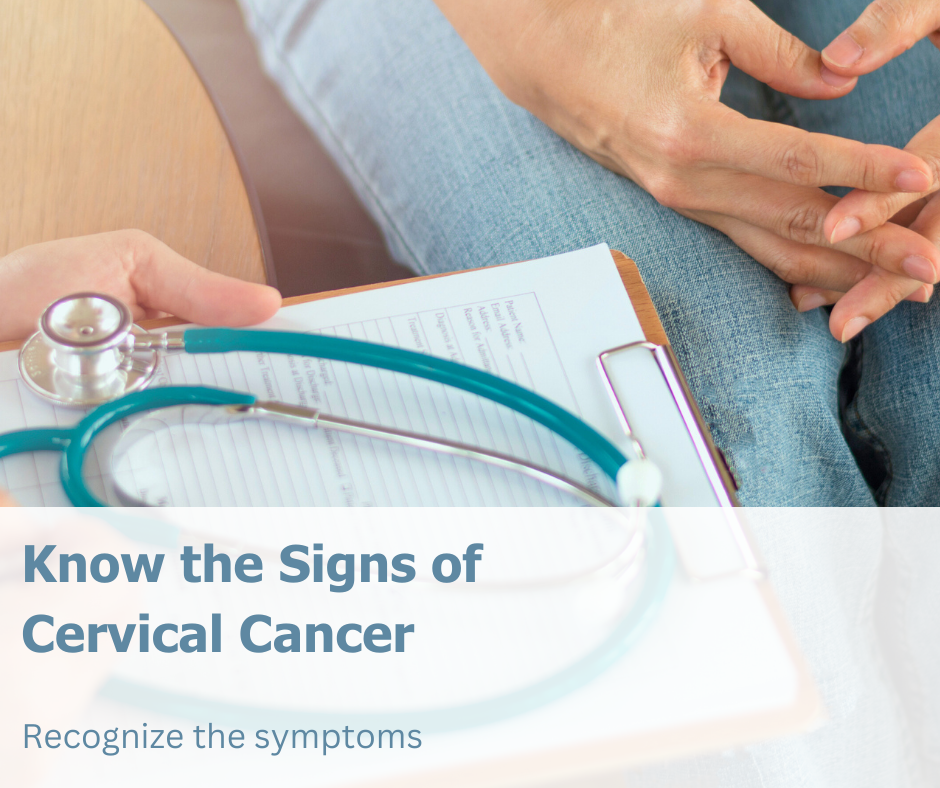
Cervical cancer is a serious health condition that affects thousands of women worldwide. Recognizing the symptoms and seeking medical attention promptly is crucial for early detection and treatment. Here are some common symptoms of cervical cancer that every woman should be aware of:

● Abnormal bleeding: Pay attention to any unusual bleeding between periods, after intercourse, or after menopause. It could be a sign of cervical cancer.

● Pelvic pain: Persistent or recurrent pain in the pelvic region, including the lower abdomen or back, should not be ignored. Consult your doctor if you experience this symptom.

● Unusual discharge: Be cautious if you notice an increase in vaginal discharge that is foul-smelling, thick, or discolored. It may indicate an underlying issue.

● Pain during intercourse: Pain or discomfort during sexual activity can occur due to various reasons, including cervical cancer. If it persists, seek medical advice.

● Changes in urination: Difficulty or pain while urinating, blood in the urine, or frequent urinary tract infections may be signs of cervical cancer.

Remember, these symptoms can also be related to other conditions. But if you experience any of these warning signs, it’s crucial to consult your healthcare provider for proper evaluation and guidance.

Early detection through regular screenings, such as Pap smears and HPV tests, is key to identifying cervical cancer in its early stages when it is most treatable.

Our team of dedicated physicians and healthcare professionals are here to support you every step of the way. Contact us to learn more about cervical cancer or schedule an appointment today.
Exploring the Risk Factors That Increase the Likelihood of Cervical Cancer

While some risk factors are beyond our control, understanding the factors that increase the likelihood of developing Cervical cancer can empower women to take proactive steps in prevention, early detection, and treatment. In this blog post, we will explore the various risk factors associated with Cervical cancer.

1. Human Papillomavirus (HPV): HPV is the primary cause of cervical cancer. It is a common sexually transmitted infection that affects both men and women. Certain strains of HPV, particularly types 16 and 18, are responsible for most cases of cervical cancer. Vaccination against HPV and practicing safe sex can help reduce the risk.

2. Smoking: Smoking not only harms the lungs but also increases the risk of developing cervical cancer. Chemicals in tobacco smoke can damage cervical cells, making them more susceptible to HPV infection. Quitting smoking can significantly lower the risk of cervical cancer.

3. Weak Immune System: A weakened immune system due to conditions like HIV/AIDS or certain medications can make a woman more vulnerable to HPV infection. Regular health check-ups and maintaining a healthy lifestyle can help boost the immune system and protect against cervical cancer.

4. Long-Term Use of Oral Contraceptives: Studies have shown that long-term use of oral contraceptives (birth control pills) may slightly increase the risk of cervical cancer. However, the risk returns to normal after discontinuing the use of these contraceptives. It is important to discuss the potential risks with your healthcare provider.

5. Multiple Pregnancies: Those who have had three or more full-term pregnancies have an increased risk of developing this type of cancer. The reason for this is unclear.

By understanding the causes and risk factors associated with cervical cancer, we can take proactive measures to prevent its occurrence. Regular screenings, HPV vaccination, maintaining a healthy lifestyle, and raising awareness can play a crucial role in reducing the burden of cervical cancer on women’s health.

Our team of dedicated physicians and healthcare professionals are here to support you every step of the way. Contact us to learn more about cervical cancer or schedule an appointment today.

Understanding Cervical Cancer

Cervical cancer is a significant health issue affecting women worldwide. According to the American Cancer Society, more than 13,000 women will be diagnosed with cervical cancer this year, most often in women over the age of 30.

Cervical cancer is a type of cancer that affects the cells of the cervix, which is the lower part of the uterus connecting to the vagina. It is the fourth most common cancer in women worldwide, with more than half a million new cases and over 300,000 deaths reported each year. Cervical cancer is primarily caused by the Human Papillomavirus (HPV), a common sexually transmitted infection.

HPV is a group of viruses that can be transmitted through sexual contact. There are over 200 different types of HPV, but only a few of them are high-risk and can lead to the development of cervical cancer.

There are two main types of cervical cancer.

– Most cervical cancers are squamous cell carcinomas. This type of cancer affects the squamous cells that line the outer part of the cervix and protect the vagina.

– Adenocarcinoma cervical cancer develops in the glandular cells that line the cervical canal.

Cervical cancer, if diagnosed early, is highly treatable by surgery, chemotherapy or radiation. In this blog series, we will cover the causes and risk factors associated with this disease and the importance of prevention and early detection.

Our team of dedicated physicians and healthcare professionals are here to support you every step of the way. Contact us to learn more about cervical cancer or schedule an appointment today.

5 Frequently Asked Questions About Interstitial Cystitis

Interstitial cystitis (IC), also known as bladder pain syndrome, is a chronic condition that affects the urinary bladder, causing discomfort and pain. If you or someone you know has been diagnosed with IC, you may have several questions about the condition and its management. Here are five frequently asked questions about interstitial cystitis to provide you with a better understanding.

Is there a cure for IC?

Unfortunately, there is currently no cure for IC. However, the condition is manageable with treatments and medications. It’s important to work closely with your healthcare provider to develop an individualized treatment plan that suits your specific needs.

What are the symptoms of IC?

The symptoms of IC vary from person to person, but the most common ones include frequent urination, urgency to urinate, pelvic pain, and discomfort during sexual intercourse. Some individuals may also experience low back pain, blood in the urine, and swelling in the stomach or pelvic area. It’s crucial to consult with a healthcare provider to receive an accurate diagnosis and appropriate treatment.

How is IC diagnosed?

Diagnosing IC can be challenging as there is no definitive test for it. Healthcare providers typically consider a combination of symptoms, medical history, physical examination, and ruling out other possible conditions. Additional tests such as urine analysis, cystoscopy, and bladder biopsy may be conducted to confirm the diagnosis.

What treatments are available for IC?

The treatment options for IC aim to alleviate symptoms and improve the quality of life. They may include lifestyle changes, physical therapy, bladder training, medications, and in some cases, surgical interventions. Each treatment plan is tailored to the individual’s specific needs and may require a trial-and-error approach to find the most effective combination.

How often should I follow up with my healthcare provider?

The frequency of follow-up appointments depends on your specific treatment plan and how you feel. It’s important to maintain open communication with your healthcare provider and report any changes or new symptoms promptly. Regular check-ups allow for adjustments to the treatment plan and ensure that your condition is adequately managed.

Remember, while living with IC can be challenging, there are ways to manage the symptoms and improve your quality of life. By working closely with your healthcare provider, following the recommended treatment plan, and making necessary lifestyle adjustments, you can find relief and regain control over your well-being.

If you have further questions or concerns about interstitial cystitis, don’t hesitate to reach out to your healthcare provider. They are your best resource for accurate information and guidance on managing IC.

Expert Cancer Care

Our caring team of experts are here to provide you with a custom-tailored treatment plan unique to your diagnosis, tumor size, location and involvement. Click on the button below to explore available cancer screenings and treatment options.

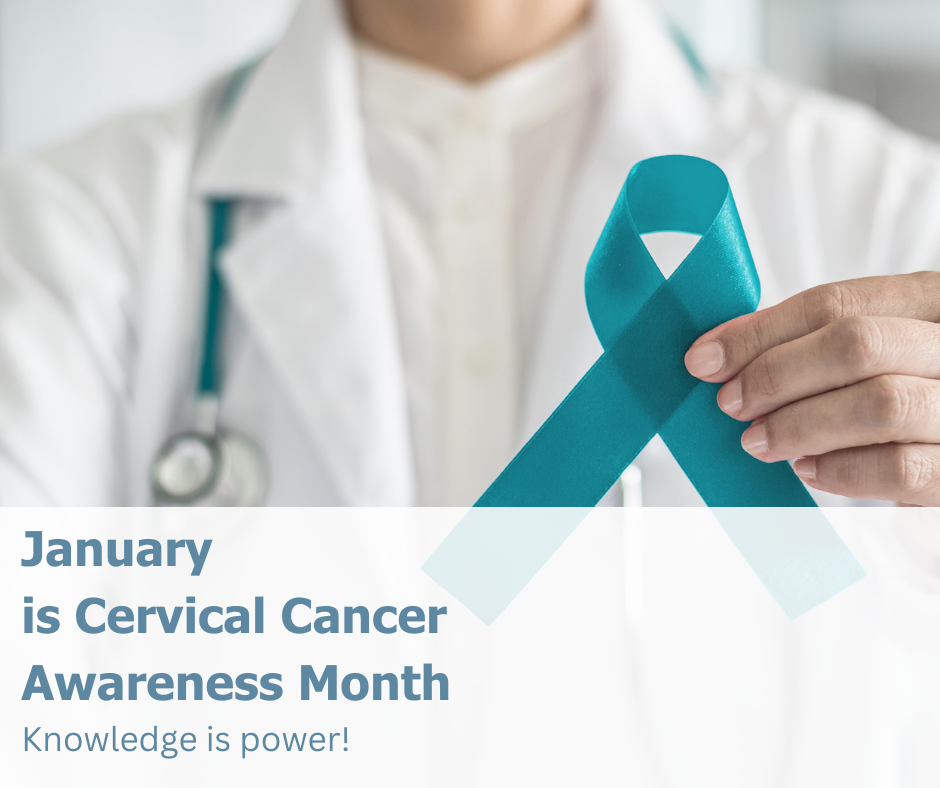
January is Cervical Cancer Awareness Month

Gynecological cancer is any form of cancer that takes place in the female reproductive system. The most common is cervical cancer. Cervical cancer begins in the cells lining the cervix, which connects the uterus to the vagina.

There are two types of cervical cancer, squamous cell carcinoma and adenocarcinomas. Squamous cell carcinomas are the most common, with the American Cancer Society reporting 90% of cervical cancer diagnosis. These typically begin in the transformation zone, which is located where the exocervix joins the endocervix.

Types of Cervical Cancer Screenings

There are two tests to detect cervical cancer early. The HPV test and the Pap test. Both tests can be done in a doctor’s office or clinic.

The human papillomavirus (HPV) test looks for the virus that can cause cell changes on the cervix.

The Pap test (or Pap smear) looks for precancers, which are cell changes on the cervix that might become cervical cancer if they are not treated appropriately.

How often should you get screened for cervical cancer?

Its recommended women begin Pap tests at the age of 21. Depending on the results, you may be able to wait three years until your next Pap test. According to the CDC, there are three recommendations for women 30 to 65 years old. Be sure to ask your doctor which testing option is right for you.

An HPV test only. If your result is normal, your doctor may tell you that you can wait five years until your next screening test.

An HPV test along with the Pap test. If both of your results are normal, your doctor may tell you that you can wait five years until your next screening test.

A Pap test only. If your result is normal, your doctor may tell you that you can wait three years until your next Pap test.

Women older than 65 may no longer need to have normal screening test results the age of 65, your doctor may tell you that you don’t need to be screened anymore if you have had normal screening test results for several years and you have not had a cervical precancer in the past, or you have had your cervix removed as part of a total hysterectomy for non-cancerous conditions, like fibroids.

Women’s Health

Our caring team of experts provide specialized care for women’s health. We offer custom-tailored treatment plans unique to your diagnosis, tumor size, location and involvement. Click on the button below to explore available cancer screenings and treatment options.

Exploring the Five Types of Gynecological Cancer

In recognition of Gynecological Awareness Month, we’re shedding some light on the 5 types of gynecological cancer to help understand contributing risk factors and preventative detection. Women can feel confident in taking control of their health with knowledge to promote early detection, effective treatment, and overall well-being.

1. Ovarian Cancer:

Ovarian cancer originates in the ovaries, the small organs responsible for producing eggs and hormones. Often called the “silent killer,” ovarian cancer’s symptoms are vague and easily mistaken for other conditions. Risk factors include a family history of ovarian or breast cancer, mutations in the BRCA1 or BRCA2 genes, and increasing age. Regular pelvic examinations and awareness of symptoms like bloating, abdominal pain, and changes in bowel habits are crucial for early detection.

2. Cervical Cancer:

Cervical cancer primarily arises from the cells lining the cervix, the lower part of the uterus that connects to the vagina. Persistent infection with high-risk strains of the human papillomavirus (HPV) is the main risk factor. Regular Pap tests (Pap smears) can detect precancerous changes early, allowing for intervention before the cancer develops. HPV vaccines are also available for preventive measures.

3. Uterine (Endometrial) Cancer:

Uterine cancer originates in the lining of the uterus, called the endometrium. It is often linked to hormonal imbalances, particularly excess estrogen. Obesity, diabetes, and a late onset of menopause are risk factors. Unusual vaginal bleeding, particularly after menopause, is a common symptom. Early diagnosis can lead to effective treatment options like surgery, radiation, or chemotherapy.

4. Vaginal Cancer:

Vaginal cancer is a rare type of gynecological cancer that forms in the cells lining the vagina. It can develop in women of any age, but is more common in older women. Risk factors include exposure to the drug diethylstilbestrol (DES) during pregnancy, a history of cervical cancer, and smoking. Symptoms may include vaginal bleeding, pain, and discomfort.

5. Vulvar Cancer:

Vulvar cancer occurs on the external genitalia, including the labia, clitoris, and vaginal opening. It can stem from changes in the skin cells of the vulva. Risk factors include HPV infection, a history of precancerous conditions, and conditions that weaken the immune system. Symptoms may involve itching, pain, and changes in the skin’s appearance.

Regular screenings, awareness of symptoms, and lifestyle choices can collectively contribute to early detection and prevention. By navigating the terrain of ovarian, cervical, uterine, vaginal, and vulvar cancer, women can take charge of their health and promote a brighter, cancer-free future.

Women’s Health

Our caring team of experts provide specialized care for women’s health. We offer custom-tailored treatment plans unique to your diagnosis, tumor size, location and involvement. Click on the button below to explore available cancer screenings and treatment options.

If You Have Prostate Cancer: Questions to Ask Your Doctor

A prostate cancer diagnosis can be overwhelming and scary. You will probably have lots of questions, and wonder where to even begin. Be open with your doctor with your questions and concerns. Here’s a guide you can follow to gain understanding of what to expect.

Understand the stage and seriousness of the cancer. The stage of the cancer is how far the cancer has spread. Knowing the stage of your cancer is important so your doctor can determine what types of treatment might be best for you.

The American Cancer Society recommends these questions:

  • Do you know the stage and risk group of cancer?
  • If not, how and when will you find out?
  • Would you explain to me what the stage and risk group mean in my case?
  • What will happen next?

The big question on your mind will be, How do I fight it? Your doctor will discuss treatment options with you. Determining a treatment plan will consider things like the cancer type, stage and grade for the cancer, pre-existing health problems, and your personal concerns among many other factors.

The main kinds of treatment are observation, active surveillance, surgery, radiation, hormone therapy, and chemo. Sometimes more than one kind of treatment is used.

What will happen after treatment?

After treatment, your doctor will want you to come back for follow-up visits. You will be asked about symptoms, get exams and potentially have blood tests and other tests to monitor indicators.

It will be hard not to worry about a recurrence, but with regular check ups with your doctor, and implementing a healthy lifestyle, you can stay ahead of recurrence and have ease of mind.

The longer you’re cancer-free, the less often the visits are needed.

NEXT STEPS

Although prostate cancer may be a cause for elevated PSA blood levels, it does not always mean cancer is present. To help you and your physician fully understand next steps, our urologists may suggest further prostate testing. Click on the button below to learn more.

Why Choose Us?

  • Twelve highly trained, collaborative urological specialists all taking new patients
  • Four locations across the northern Ohio region
  • Consultation appointments scheduled within 5-7 days of referral
  • One-stop office for a wide range of urological conditions for both males and females
  • In-office lab testing and imaging
  • In-office medication dispensary
  • Comprehensive cancer care including kidney, ureter, bladder, prostate, and testicular cancers
  • Clinical navigation for BPH, Overactive Bladder and Prostate Cancer
  • Clinical Trials
  • We accept most insurance plans including Medicare, Medicaid, and VA