Category

Healthy Living

New Year, New Goals: Making Your Health a Priority

As we usher in the new year, it’s the perfect time to reflect on our health and make positive changes. Whether it’s a commitment to eating better, exercising more, or prioritizing preventive care, setting health goals can help us improve our well-being and reduce the risk of cancer. 1. Schedule Regular Screenings One of the most important steps in maintaining your health is getting regular screenings. Whether it’s for breast, cervical, colon, or skin cancer, early detection plays a significant role in improving treatment outcomes. Make it a priority to schedule your yearly exams and screenings to catch any potential issues early. 2. Focus on Nutrition Eating a balanced diet rich in fruits, vegetables, and whole grains can help prevent certain types of cancer. Incorporating more plant-based foods, cutting back on processed meats, and reducing your sugar intake can improve your overall health and lower cancer risk. 3. Stay Active Exercise isn’t just good for the heart—it can also reduce the risk of developing several types of cancer. Aiming for at least 30 minutes of moderate physical activity a few days a week can help with weight management, improve immune function, and reduce the risk of cancers like breast and colon cancer. 4. Maintain a Healthy Weight Being overweight or obese can increase your risk of several cancers, including endometrial, breast, and colon cancer. Maintaining a healthy weight through a combination of proper diet and exercise can reduce this risk and improve your overall health. 5. Prioritize Mental Health Stress and mental health can also affect physical health. Consider incorporating relaxation techniques, such as yoga, meditation, or mindfulness, into your routine. Caring for your mental well-being can strengthen your immune system and improve your body’s ability to fight off illnesses. As we embark on a new year, make your health a top priority. Set achievable health goals, focus on prevention, and take steps to reduce your risk of cancer. Small changes can lead to a healthier, longer life.

Holiday Hydration: Tips for Staying Healthy This Season

The holiday season is a time of celebration, but it can also take a toll on your health—especially your urinary system. Here are a few tips to keep your urinary system in top shape this holiday season:

Stay Hydrated

Cold weather can trick you into drinking less water, but staying hydrated is essential for kidney and bladder health. Aim for 6-8 glasses of water daily, even when it’s cold outside. Warm herbal teas can also help you stay hydrated while keeping cozy.

Watch Your Salt and Sugar Intake

Holiday foods are often high in salt and sugar, which can lead to dehydration and urinary discomfort. Enjoy treats in moderation, and balance them with water-rich foods like fruits and vegetables.

Limit Alcohol and Caffeine

Alcohol and caffeinated beverages can irritate the bladder and contribute to dehydration. Opt for festive mocktails or limit your intake of these drinks to protect your urinary health.

Take Bathroom Breaks

It’s easy to get caught up in the holiday hustle, but don’t ignore your body’s signals. Regular bathroom breaks are crucial to prevent bladder strain or infections.

By staying mindful of these habits, you can enjoy the holiday season without compromising your urinary health. Make hydration and balance part of your celebrations for a healthy and joyful season!

Nutrition for Kidney Health: Key Tips and Best Foods

Maintaining kidney health is vital for overall well-being. Your kidneys filter waste, regulate blood pressure, and balance electrolytes. Proper nutrition supports these functions and helps prevent kidney-related diseases. Here’s a concise guide on how to nourish your kidneys with a balanced diet.

Key Nutritional Tips

  1. Stay Hydrated:
    • Drink 8-10 glasses of water daily to help your kidneys remove waste.
  2. Control Sodium:
    • Limit salt and processed foods; use herbs and spices for flavor.
  3. Moderate Protein:
    • Choose high-quality proteins like fish, poultry, beans, and nuts.
  4. Heart-Healthy Foods:
    • Include fruits, vegetables, whole grains, and healthy fats in your diet.
  5. Monitor Potassium and Phosphorus:
    • Choose low-potassium fruits and vegetables, and limit dairy products, nuts, and seeds.

Best Foods for Kidney Health

  1. Berries: Low in potassium, high in antioxidants.
  2. Red Bell Peppers: Rich in vitamins and low in potassium.
  3. Cauliflower: High in vitamins and fiber.
  4. Garlic: Reduces inflammation and adds flavor.
  5. Onions: Packed with antioxidants.
  6. Apples: High in fiber and anti-inflammatory properties.
  7. Olive Oil: A healthy fat for heart and kidney health.
  8. Cabbage: Low in potassium, rich in vitamins.

Foods to Avoid

  1. Processed Foods: High in sodium and phosphorus.
  2. Dark-Colored Sodas: Contain harmful phosphorus additives.
  3. Avocados: High in potassium.
  4. Canned Foods: Often high in sodium.
  5. Whole-Wheat Bread: Higher in phosphorus and potassium.

Managing Fluid Intake

Follow your healthcare provider’s recommendations on fluid intake to avoid swelling, high blood pressure, and dehydration.

Proper nutrition is crucial for kidney health. Stay hydrated, control sodium, and choose kidney-friendly foods to support your kidneys. For personalized advice, consult your healthcare provider or a dietitian.

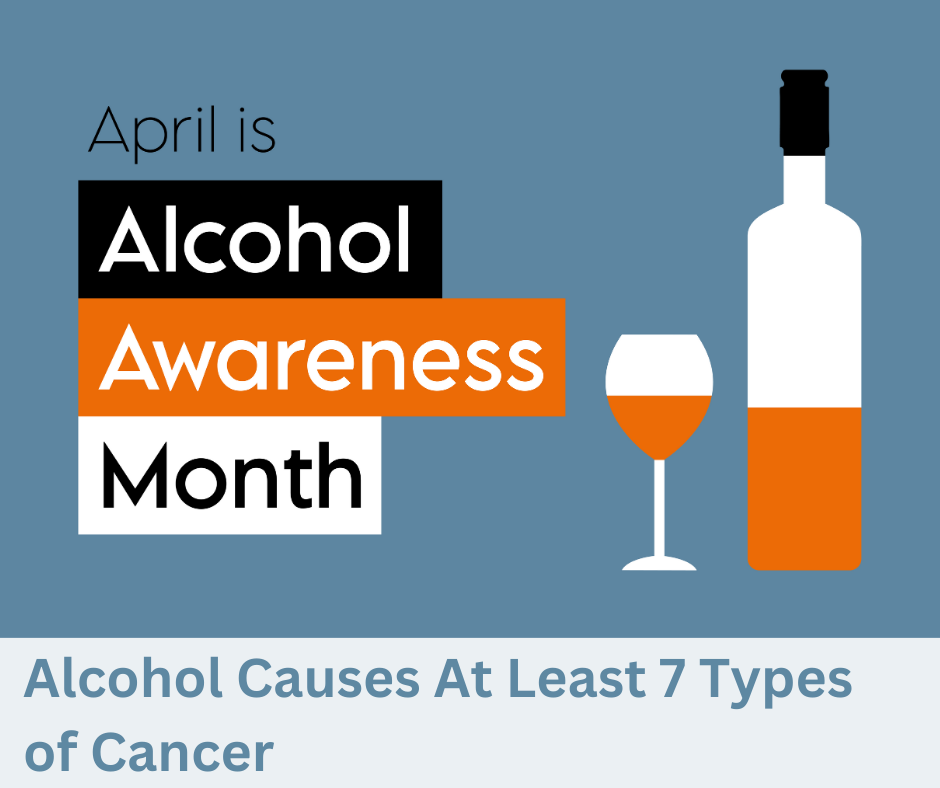
Alcohol Can Cause 7 Types of Cancer

Alcohol, often celebrated in various cultures, is also associated with increased risks of several cancers. As we observe Alcohol Awareness Month, it’s crucial to shed light on the seven types of cancer linked to alcohol consumption, emphasizing the importance of moderation and informed decision-making:

  1. Breast Cancer: Even moderate alcohol intake has been consistently linked to a higher risk of breast cancer among women. Understanding this connection is essential for women of all ages and backgrounds.
  2. Liver Cancer: Chronic alcohol abuse is a well-established risk factor for liver cancer. Over time, prolonged alcohol consumption can lead to liver cirrhosis, which significantly increases the likelihood of developing liver cancer.
  3. Colorectal Cancer: Studies have shown a significant association between alcohol consumption and an increased risk of colorectal cancer. Heavy drinking amplifies this risk, underscoring the importance of moderating alcohol intake to mitigate potential health hazards.
  4. Head and Neck Cancers: Alcohol consumption, particularly when combined with tobacco use, substantially raises the risk of cancers affecting the head and neck region, including the mouth, throat, and esophagus. This synergistic effect highlights the necessity of addressing both alcohol and tobacco consumption for overall health.
  5. Esophageal Cancer: Alcohol consumption is a major risk factor for esophageal cancer, particularly squamous cell carcinoma. The repeated exposure of the esophageal lining to alcohol and its metabolites contributes to the development of cancerous lesions over time, emphasizing the importance of moderation and awareness of risks.
  6. Stomach Cancer: Although the exact mechanisms are still under investigation, studies suggest a potential link between alcohol consumption and stomach cancer. Heavy alcohol intake may heighten the risk of developing this malignancy, adding to the array of health concerns associated with excessive drinking.
  7. Pancreatic Cancer: Alcohol consumption has long been recognized as a risk factor for pancreatic cancer. The pancreas is highly sensitive to the carcinogens produced during alcohol metabolism, rendering individuals who consume alcohol regularly more susceptible to developing this aggressive form of cancer.

During Alcohol Awareness Month, it’s vital to recognize how alcohol consumption impacts cancer risk. By spotlighting these seven cancers associated with alcohol and advocating for moderation, we empower individuals to make informed choices, leading to healthier lives and communities.


The Importance of Kidney Health: Observing Kidney Health Awareness Month

Most people don’t know how important their kidneys are. The kidneys are vital organs that play a crucial role in maintaining overall health, yet they often go unnoticed until a problem arises. This month, let’s shine a spotlight on kidney health and empower individuals to take proactive steps towards caring for these essential organs.

Understanding Kidney Health: The kidneys are bean-shaped organs located on either side of the spine, just below the rib cage. They are responsible for filtering waste products, excess fluids, and toxins from the blood, which are then excreted through urine. Additionally, the kidneys help regulate blood pressure, produce red blood cells, and maintain electrolyte balance within the body. Given their many functions, maintaining optimal kidney health is crucial for overall wellbeing.

Common Kidney Conditions: Several factors can contribute to kidney dysfunction, including hypertension, diabetes, obesity, and certain genetic predispositions. Some common kidney conditions include:

1. Chronic Kidney Disease (CKD): CKD is a progressive condition characterized by the gradual loss of kidney function over time. It often develops silently and can lead to serious complications if left untreated.
2. Kidney Stones: These are hard deposits that form in the kidneys and can cause severe pain when they pass through the urinary tract. Dehydration, dietary factors, and certain medical conditions can increase the risk of kidney stone formation.
3. Urinary Tract Infections (UTIs): UTIs occur when bacteria enter the urinary tract and multiply, leading to inflammation and infection. While UTIs can affect any part of the urinary system, they commonly involve the kidneys (pyelonephritis) and require prompt treatment to prevent complications.

Our kidneys work tirelessly to keep us healthy. By adopting healthy habits and staying vigilant about our kidney health, we can reduce the risk of kidney disease and enjoy a higher quality of life.

BMI and its Impact on Urologic Health

Body Mass Index (BMI) is more than just a numerical measure; it’s a significant indicator of overall health, and at SouthWest Urology, we emphasize its critical connection to urologic well-being.

Maintaining a healthy BMI is essential for preventing a range of urologic issues. Obesity, often indicated by a high BMI, is associated with an increased risk of conditions such as urinary incontinence, kidney stones, and erectile dysfunction. Excess weight can contribute to hormonal imbalances, affecting reproductive health and exacerbating urologic challenges.

Obesity places additional strain on the pelvic floor and bladder muscles, potentially leading to weakened control and increased instances of urinary incontinence. Furthermore, the inflammatory effects of excess body fat may contribute to the development of kidney stones, underscoring the intricate relationship between BMI and urologic health.

At SouthWest Urology, our team recognizes the importance of addressing urologic concerns within the broader context of your overall health. By promoting a healthy BMI through a balanced diet and regular exercise, individuals can significantly reduce the risk of urologic complications and enhance their quality of life.

Understanding the interplay between BMI and urologic health empowers individuals to make informed choices. Consult with our urology experts at SouthWest Urology for personalized guidance on maintaining a healthy BMI and fostering optimal urologic well-being. Your journey to urologic wellness begins with a commitment to overall health.

Navigating the Waters: Understanding Alcohol’s Impact on Urologic Health

In our quest for a healthy lifestyle, it’s crucial to recognize the intricate relationship between alcohol consumption and urologic health. While enjoying a drink in moderation is generally considered acceptable, excessive alcohol intake can have significant consequences on various aspects of urologic well-being.

Firstly, alcohol is a diuretic, leading to increased urine production and subsequent dehydration. Dehydration can concentrate urine, potentially facilitating the formation of kidney stones and impairing kidney function. Additionally, alcohol interferes with the body’s production of an antidiuretic hormone, disrupting the delicate balance required for optimal kidney performance.

Beyond its impact on the kidneys, alcohol can affect the bladder and pelvic muscles. Chronic alcohol use may contribute to muscle weakness and diminished coordination, potentially resulting in bladder dysfunction and incontinence issues. Moreover, alcohol’s influence on hormone levels can disrupt the delicate equilibrium required for normal sexual function, contributing to erectile dysfunction in some individuals.

Understanding the impact of alcohol on urologic health empowers individuals to make informed choices. Moderation and mindful consumption can play a pivotal role in maintaining a healthy balance between enjoying social occasions and safeguarding the intricate workings of our urologic system. As always, consulting with urology professionals can provide personalized insights into maintaining optimal urologic health while still savoring life’s pleasures.

At SouthWest Urology, we stand as your dedicated partners in urologic health, committed to providing comprehensive and compassionate care. Our team of highly skilled urologists brings a wealth of experience and expertise to the table, ensuring that you receive the highest standard of personalized care.

With a focus on prevention, diagnosis, and advanced treatment options, SouthWest Urology is your go-to destination for addressing a wide spectrum of urologic concerns. Whether you seek guidance on lifestyle choices, need support in managing chronic conditions, or require specialized interventions, our urology specialists are here for you.

The Benefits of Pelvic Floor Stretches: A Guide to Improving Bladder Health

The pelvic floor plays a crucial role in supporting the bladder, bowel, and uterus in women. Pelvic floor stretches are a valuable tool for maintaining and improving pelvic floor health, particularly for women who may be experiencing issues such as Stress Urinary Incontinence (SUI). Understanding the benefits of pelvic floor stretches and incorporating them into your routine can have a positive impact on bladder control and overall well-being.

Incorporating pelvic floor stretches into your daily routine can be a proactive step towards maintaining pelvic health and addressing SUI. Here are some gentle stretches to consider:

Pelvic Floor Stretches

Incorporating stretching exercises can effectively relax the pelvic floor muscles. Here are some common stretches:

Happy Baby Pose – Lying on your back, open your knees wide and pull them toward your head. Hold your legs with your arms on/behind your knees or at your ankles. You can also gently roll from side to side.

Child’s Pose – On your hands and knees, spread your knees wide, keep your toes touching, and lean forward gently, placing your upper body between your legs. Stretch your arms out in front of you.

Adductor Stretch (Lying Butterfly Pose) – Relax on your back with the bottoms of your feet together and let your knees relax out to the sides. You can place pillows under your knees for support if needed.

Seeking Professional Guidance

While pelvic floor stretches can be beneficial, it’s important to approach them mindfully, especially if you are dealing with pelvic floor issues or SUI. Consulting with a healthcare professional, such as a pelvic health physiotherapist, can provide personalized guidance and exercises tailored to your specific needs.

Women’s Health

Our caring team of experts provide specialized care for women’s health. We offer custom-tailored treatment plans unique to your diagnosis, tumor size, location and involvement. Click on the button below to explore available cancer screenings and treatment options.

What to Know About PSA Levels and Why You Should Care

Thinking about scheduling your prostate cancer screening? One way to test for prostate cancer is a prostate-specific antigen level test, also called a PSA blood test.

Here’s common questions surrounding PSA levels and our answers.

Q:

What is an elevated PSA level, and what does it indicate?

A:

An elevated PSA level refers to an increase in the amount of PSA protein present in a man’s blood. PSA is a protein produced by the prostate gland, and its primary function is to liquefy semen.

Q:

What are the potential causes of elevated PSA levels?

A:

Elevated PSA levels can be caused by several factors, including:

1. Benign Prostate Hyperplasia (BPH): BPH is a non-cancerous enlargement of the prostate gland, which can elevate PSA levels due to increased overall prostate tissue.

2. Prostatitis: Prostatitis is inflammation of the prostate gland, leading to a temporary rise in PSA levels. It is not necessarily indicative of prostate cancer.

3. Prostate Cancer: Elevated PSA levels can sometimes be an early sign of prostate cancer. However, a high PSA level does not confirm cancer, as other non-cancerous conditions can also elevate PSA.

4. Urinary Tract Infection (UTI): Infections in the urinary tract or prostate can cause temporary elevations in PSA levels.

5. Prostate Procedures: Certain medical procedures, such as a prostate biopsy or surgery, can cause temporary increases in PSA levels.

Q:

What is the significance of an elevated PSA level regarding prostate cancer?

A:

While an elevated PSA level can be an indicator of prostate cancer, it is not a definitive diagnosis. Many men with elevated PSA levels do not have prostate cancer, and some men with prostate cancer may have normal PSA levels. Therefore, an elevated PSA level requires further investigation to determine the cause. Additional tests, such as a digital rectal exam (DRE) and imaging studies, may be conducted to assess the prostate’s condition and detect any abnormalities.

Q:

At what age should men consider getting their PSA levels checked?

A:

The age at which men should consider getting their PSA levels checked varies based on individual risk factors and guidelines from healthcare organizations. Generally, discussions about prostate cancer screening, including PSA testing, should begin at:

Age 50: For men at average risk of prostate cancer.

Age 45: For men at higher risk, such as African Americans or those with a family history of prostate cancer.

Age 40: For men with a strong family history of prostate cancer (multiple family members diagnosed at a young age).

These are the recommended ages and some factors. Ultimately, the decision to get screened should be made after a thorough discussion with a healthcare provider, taking into account an individual’s medical history, family history, and overall health.

Q:

Can lifestyle factors affect PSA levels?

A:

Yes, certain lifestyle factors can influence PSA levels. Factors such as vigorous exercise, ejaculation, and certain medications (e.g., finasteride) may temporarily elevate PSA levels. It is essential to inform the healthcare provider about any recent lifestyle changes or medication use before undergoing a PSA test to ensure accurate interpretation of the results. However, lifestyle factors do not have a significant impact on PSA levels in the context of diagnosing prostate cancer or other prostate-related conditions.

NEXT STEPS

Although prostate cancer may be a cause for elevated PSA blood levels, it does not always mean cancer is present. To help you and your physician fully understand next steps, our urologists may suggest further prostate testing. Click on the button below to learn more.

Why Choose Us?

  • Twelve highly trained, collaborative urological specialists all taking new patients
  • Four locations across the northern Ohio region
  • Consultation appointments scheduled within 5-7 days of referral
  • One-stop office for a wide range of urological conditions for both males and females
  • In-office lab testing and imaging
  • In-office medication dispensary
  • Comprehensive cancer care including kidney, ureter, bladder, prostate, and testicular cancers
  • Clinical navigation for BPH, Overactive Bladder and Prostate Cancer
  • Clinical Trials
  • We accept most insurance plans including Medicare, Medicaid, and VA

Men’s Health Month: Understanding BPH and Prioritizing Prostate Health

June is Men’s Health Month, a time dedicated to raising awareness about various health issues that impact men. One common condition that affects a large number of men, particularly as they age, is benign prostatic hyperplasia (BPH).

Benign prostatic hyperplasia, also known as an enlarged prostate, is a non-cancerous condition that affects the prostate gland in men. The prostate is a walnut-sized gland located below the bladder and surrounding the urethra, the tube through which urine flows. As men age, the prostate can gradually enlarge, squeezing the urethra and causing various urinary symptoms.

Understanding the Causes and Risk Factors:

While the exact cause of BPH is still not fully understood, hormonal imbalances and age-related changes are believed to play a significant role. Testosterone, the male hormone, and its conversion into dihydrotestosterone (DHT) have been implicated in the growth of prostate tissue. Additionally, advancing age and genetics can contribute to the development of BPH. Certain risk factors, such as obesity, lack of physical activity, and a family history of the condition, may increase the likelihood of developing BPH.

Recognizing the Symptoms:

It’s essential for men to be aware of the common signs and symptoms associated with BPH. These can include:

  • Frequent urination, especially during the night (nocturia)
  • Difficulty initiating or maintaining a steady urine stream
  • Weak urine flow or a sensation of incomplete emptying
  • Urgency to urinate or a feeling of urgency that is difficult to control
  • Dribbling at the end of urination
  • The need to strain or push to start urination

If you experience any of these symptoms, it’s crucial to consult a healthcare professional promptly. While BPH is generally non-cancerous, it’s important to rule out other potential prostate conditions, including prostate cancer.

Consider the following strategies to prompt prostate health and minimize the risk and severity of BPH:

Maintain a Healthy Lifestyle:

Engage in regular physical activity, eat a balanced diet rich in fruits, vegetables, and whole grains, and manage stress effectively. These lifestyle choices can contribute to overall well-being, including prostate health.

Stay Hydrated:

Drinking an adequate amount of water can help promote a healthy urinary system. Aim for at least 8 cups (64 ounces) of water daily, or more if you are physically active or in a hot climate.

Limit Fluid Intake Before Bed:

Reducing your fluid intake a few hours before bedtime can help minimize nighttime urination, improving sleep quality.

Avoid Excessive Alcohol and Caffeine:

Both alcohol and caffeine can irritate the bladder and worsen urinary symptoms. Moderation is key.

Regular Check-ups:

Schedule routine check-ups with your healthcare provider to monitor your prostate health, especially if you are at an increased risk or experience symptoms.

Treatment Options:

If you are diagnosed with BPH and your symptoms significantly impact your quality of life, various treatment options are available. These can include medication, minimally invasive procedures, or surgery, depending on the severity of your condition.

Contact us or talk to your healthcare provider to help guide you in selecting the most appropriate treatment option based on your specific situation.

How Severe are My BPH Symptoms?

If you suffer from the symptoms listed in the article above, you are not alone. BPH is the leading reason men visit a urologist. Fill out the symptom score questionnaire below and one of our team members will reach out with more information. Click on the button below to take the BPH quiz.

Why Choose Us?

  • Twelve highly trained, collaborative urological specialists all taking new patients
  • Four locations across the northern Ohio region
  • Consultation appointments scheduled within 5-7 days of referral
  • One-stop office for a wide range of urological conditions for both males and females
  • In-office lab testing and imaging
  • In-office medication dispensary
  • Comprehensive cancer care including kidney, ureter, bladder, prostate, and testicular cancers
  • Clinical navigation for BPH, Overactive Bladder and Prostate Cancer
  • Clinical Trials
  • We accept most insurance plans including Medicare, Medicaid, and VA