Category

Urological Care

Overactive Bladder: Understanding Symptoms and Treatment Options

Living with an overactive bladder (OAB) can be challenging, affecting your daily activities, sleep, and overall quality of life. If you find yourself frequently rushing to the bathroom or struggling with sudden urges to urinate, it’s essential to understand the symptoms of OAB and explore the treatment options available to you.

Recognizing the Symptoms of Overactive Bladder

Overactive bladder is characterized by a range of symptoms that can vary in severity from person to person. The most common symptoms include:

  • Urgency: A sudden, intense need to urinate that’s difficult to postpone. This feeling can come on unexpectedly and may not be related to the amount of urine in the bladder.
  • Frequency: The need to urinate more than eight times in a 24-hour period. This can disrupt your daily routine, leading to multiple trips to the bathroom during work, social activities, or even throughout the night.
  • Nocturia: Waking up more than once during the night to urinate. This can interfere with your sleep and leave you feeling tired and less alert during the day.
  • Urgency Incontinence: Involuntary leakage of urine immediately after experiencing a strong urge to urinate. This can happen even if you rush to the bathroom but aren’t able to hold it in time.

These symptoms can significantly impact your life, causing discomfort, embarrassment, and a decrease in your ability to engage in normal activities. However, understanding these symptoms is the first step in managing them effectively.

Exploring Treatment Options for Overactive Bladder

The good news is that overactive bladder is a manageable condition, with several treatment options available to help reduce symptoms and improve your quality of life. Depending on the severity of your symptoms, your lifestyle, and your overall health, your urologist may recommend one or more of the following treatments:

  • Lifestyle Modifications: Simple changes can make a big difference in managing OAB symptoms. This might include reducing your intake of fluids before bedtime, cutting back on bladder irritants like caffeine and alcohol, and scheduling regular bathroom breaks throughout the day to avoid the sudden urge to urinate.
  • Bladder Training: This behavioral therapy involves learning techniques to delay urination and gradually increase the amount of time between bathroom visits. Bladder training can help you regain control and reduce the frequency of urination.
  • Pelvic Floor Exercises (Kegels): Strengthening the pelvic floor muscles through exercises can improve bladder control and reduce symptoms of urgency and incontinence. These exercises are particularly effective when done consistently over time.
  • Medications: Several medications are available that can help relax the bladder muscles, reduce spasms, and decrease the symptoms of urgency and frequency. Your urologist can recommend the most suitable medication based on your specific condition.
  • Nerve Stimulation (Neuromodulation): For some individuals, electrical stimulation of the nerves that control the bladder can help regulate bladder function and reduce OAB symptoms. This treatment is often considered when other options have not been effective.
  • Surgical Options: In severe cases where other treatments have not provided relief, surgical interventions may be necessary. These procedures are typically reserved for individuals with significant symptoms that impact their quality of life.

Taking Control of Overactive Bladder

If you’re experiencing symptoms of overactive bladder, it’s important to know that you don’t have to live with the discomfort and disruption it causes. With the right diagnosis and treatment plan, you can manage your symptoms and regain control over your life.

At our urology center, we are dedicated to helping you find the best solutions for your OAB symptoms. Our experienced team will work with you to create a personalized treatment plan tailored to your needs, ensuring you receive the care and support you need to live comfortably and confidently.

Don’t let overactive bladder control your life. Reach out to our urology center today to schedule a consultation and take the first step towards effective treatment and relief.


Key Tips for Women’s Urologic Health

Women’s urological health is an essential aspect of overall well-being. Urological issues can affect women of all ages, impacting daily life and quality of life. This blog explores common urological conditions in women, preventive measures, and tips for maintaining optimal urological health.

Common Issues

  1. UTIs: Frequent urination, pain during urination, cloudy urine.
  2. Overactive Bladder (OAB): Sudden urge to urinate, often leading to incontinence.
  3. Urinary Incontinence: Loss of bladder control, leakage when coughing or sneezing.
  4. Interstitial Cystitis (IC): Chronic bladder pain and pressure.
  5. Pelvic Organ Prolapse: Dropping of pelvic organs due to weakened support muscles.

Prevention Tips

  1. Stay Hydrated: Drink plenty of water.
  2. Good Hygiene: Wipe front to back, avoid harsh soaps.
  3. Healthy Diet: Eat fruits, vegetables, and whole grains; try cranberry juice and probiotics.
  4. Exercise: Do pelvic floor exercises like Kegels.
  5. Avoid Irritants: Limit caffeine, alcohol, spicy foods, and artificial sweeteners.

Maintaining Health

  1. Regular Check-Ups: Visit your doctor regularly.
  2. Bladder Training: Schedule bathroom visits to manage OAB.
  3. Healthy Weight: Maintain a healthy weight to reduce bladder pressure.
  4. Quit Smoking: Reduce risk factors for bladder cancer and other issues.
  5. Stay Informed: Learn about urological health and treatments.

By staying hydrated, practicing good hygiene, maintaining a healthy diet, and visiting your doctor regularly, you can support your urological health. For more information or to schedule a consultation, contact us today!

Common Signs of Low Testosterone

Testosterone is vital for many functions in the male body, including muscle mass, bone density, and sexual health. Low testosterone can lead to a variety of symptoms. Recognizing these signs is key to getting the right treatment. Here’s a look at the common symptoms of low testosterone.

Physical Symptoms

  1. Fatigue:
    • Persistent tiredness and lack of energy.
  2. Muscle Loss:
    • Decreased muscle mass and strength.
  3. Increased Body Fat:
    • More fat, particularly around the abdomen.
  4. Bone Density:
    • Lower bone density, higher risk of fractures.
  5. Hair Loss:
    • Accelerated hair thinning or balding.
  6. Hot Flashes:
    • Sudden warmth and sweating episodes.

Sexual Symptoms

  1. Low Libido:
    • Decreased interest in sexual activity.
  2. Erectile Dysfunction:
    • Difficulty achieving or maintaining an erection.
  3. Reduced Semen Volume:
    • Less semen produced during ejaculation.

Emotional and Cognitive Symptoms

  1. Mood Changes:
    • Mood swings, irritability, depression.
  2. Cognitive Issues:
    • Difficulty concentrating and remembering.
  3. Decreased Motivation:
    • Lack of drive and enthusiasm.

Recognizing the Symptoms

If you notice several of these symptoms, consult with a healthcare provider. They can perform tests to measure your testosterone levels and suggest appropriate treatments.

Urologic Health Tips

Essential Tips for Urologic Health

Maintaining urologic health is crucial for overall well-being. Here are some essential tips to keep your urinary system healthy:

1. Stay Hydrated

Drink at least eight glasses of water daily to help dilute urine and reduce the risk of kidney stones and urinary tract infections (UTIs).

2. Eat a Balanced Diet

Consume fruits, vegetables, whole grains, and lean proteins. Foods like cranberries and citrus fruits can help prevent UTIs.

3. Urinate Regularly

Don’t hold in urine for long periods. Regular urination helps flush out bacteria and prevent infections.

4. Avoid Irritants

Limit caffeine, alcohol, spicy foods, artificial sweeteners, and acidic foods if they cause bladder discomfort.

5. Exercise Regularly

Regular physical activity and pelvic floor exercises can help maintain a healthy weight and improve bladder control.

6. Manage Stress

Practice stress management techniques like yoga, meditation, and deep breathing to avoid urinary problems linked to chronic stress.

7. Quit Smoking

Smoking increases the risk of bladder cancer and other urologic conditions. Quitting improves overall health.

8. Monitor for Symptoms

Be aware of changes in urinary habits, pain, or blood in the urine. Early detection and treatment are key.

9. Regular Check-ups

Visit your healthcare provider regularly to monitor and maintain your urologic health.

By following these tips, you can keep your urinary system healthy and functional. Stay proactive and take care of your urologic health!

What is BPH?

At SouthWest Urology, we recognize the significance of prostate health, and one common condition that warrants attention is Benign Prostatic Hyperplasia (BPH). Often associated with aging, BPH refers to the non-cancerous enlargement of the prostate, impacting the urinary system and overall quality of life.

BPH can cause bothersome symptoms such as increased frequency of urination, difficulty initiating urination, and a feeling of incomplete bladder emptying. While not a precursor to prostate cancer, BPH can significantly impact daily activities and well-being.

Our urology specialists emphasize the importance of regular check-ups for early detection and management of BPH. Treatment options range from lifestyle modifications and medications to minimally invasive procedures or surgery in severe cases.

Understanding the signs and seeking timely medical advice empowers individuals to manage BPH effectively. We prioritize a patient-centered approach, tailoring our recommendations to each individual’s unique circumstances.

If you or a loved one is experiencing symptoms of BPH, don’t hesitate to reach out. Our experienced team is dedicated to providing comprehensive care, guiding you towards a path of comfort, confidence, and optimal urologic health.

The Importance of Prostate Cancer Screening

Prostate cancer, a prevalent concern among men, underscores the significance of proactive health management. We advocate for informed choices and regular screenings as pivotal elements in maintaining optimal prostate health. Regular prostate cancer screening is crucial. Prostate cancer is one of the most common cancers among men. Early detection through screening can significantly improve outcomes. Here’s what you need to know about prostate cancer screening.

The primary tool for prostate cancer screening is the prostate-specific antigen (PSA) test, measuring the levels of a protein produced by the prostate gland. Additionally, digital rectal exams (DRE) allow urologists to assess the size, shape, and texture of the prostate. When combined, these screening methods provide a comprehensive evaluation.

Screening helps detect prostate cancer early, often before symptoms develop. Early detection can lead to more effective treatment and a better chance of survival.

Types of Prostate Cancer Screenings

Prostate-Specific Antigen (PSA) Test:
• What It Is: A blood test that measures the level of PSA, a protein produced by the prostate.
• What It Indicates: Higher-than-normal PSA levels can indicate prostate cancer, but also other conditions like an enlarged prostate or prostatitis.

Digital Rectal Exam (DRE):
• What It Is: A physical exam where a doctor feels the prostate gland through the rectum to check for abnormalities.
• What It Indicates: Abnormalities such as lumps or hard areas might suggest prostate cancer.

When to Start Screening
• General Guidelines: Men should discuss screening with their doctor starting at age 50.
• Higher Risk Groups: Men at higher risk, including African American men and those with a family history of prostate cancer, should consider starting at age 45.

Benefits and Risks of Screening
• Early detection can lead to early treatment and better outcomes.
• Can detect cancer before symptoms appear.

Prostate cancer screening is a valuable tool for early detection and can significantly impact treatment outcomes. Discuss your options with your doctor to determine the best screening plan for you. Remember, early detection is key to effective treatment and better health.


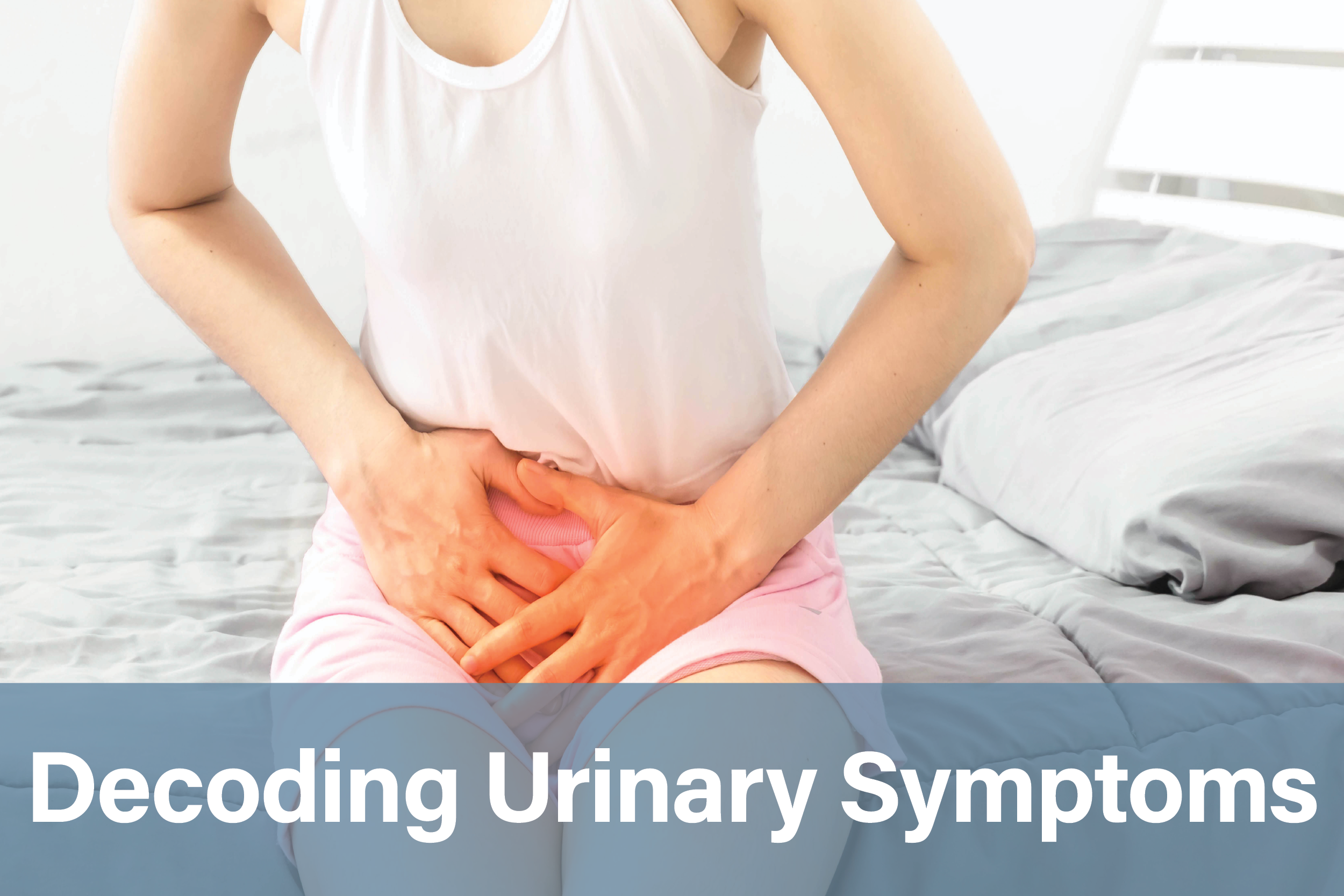
Decoding Urinary Symptoms

Common urinary symptoms include urgency, frequency, incontinence, and discomfort during urination. These signs may indicate underlying issues such as urinary tract infections, f, or prostate concerns, necessitating a thorough evaluation.

Our expert urologists emphasize the significance of open communication in the diagnostic process. Understanding the unique aspects of each patient’s experience allows us to tailor comprehensive treatment plans that may involve lifestyle adjustments, medications, or advanced interventions.

Our mission is to empower individuals to take charge of their urinary health. By providing information, support, and cutting-edge solutions, Fairbanks Urology strives to guide patients towards a renewed sense of well-being.

If you’re experiencing urinary symptoms, no matter how mild or persistent, contact us. Together, we can decipher the intricacies of your symptoms and work towards a personalized approach for a healthier, more comfortable life.

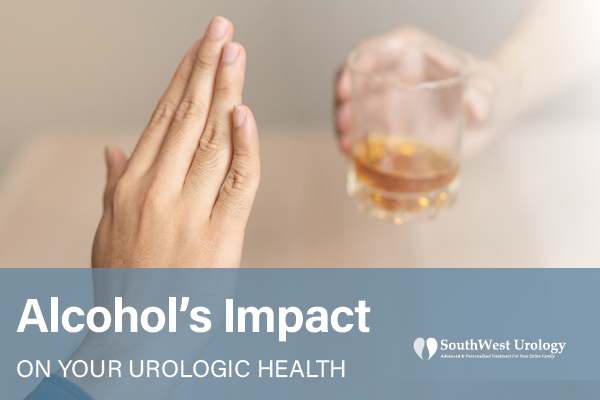
Navigating the Waters: Understanding Alcohol’s Impact on Urologic Health

In our quest for a healthy lifestyle, it’s crucial to recognize the intricate relationship between alcohol consumption and urologic health. While enjoying a drink in moderation is generally considered acceptable, excessive alcohol intake can have significant consequences on various aspects of urologic well-being.

Firstly, alcohol is a diuretic, leading to increased urine production and subsequent dehydration. Dehydration can concentrate urine, potentially facilitating the formation of kidney stones and impairing kidney function. Additionally, alcohol interferes with the body’s production of an antidiuretic hormone, disrupting the delicate balance required for optimal kidney performance.

Beyond its impact on the kidneys, alcohol can affect the bladder and pelvic muscles. Chronic alcohol use may contribute to muscle weakness and diminished coordination, potentially resulting in bladder dysfunction and incontinence issues. Moreover, alcohol’s influence on hormone levels can disrupt the delicate equilibrium required for normal sexual function, contributing to erectile dysfunction in some individuals.

Understanding the impact of alcohol on urologic health empowers individuals to make informed choices. Moderation and mindful consumption can play a pivotal role in maintaining a healthy balance between enjoying social occasions and safeguarding the intricate workings of our urologic system. As always, consulting with urology professionals can provide personalized insights into maintaining optimal urologic health while still savoring life’s pleasures.

At SouthWest Urology, we stand as your dedicated partners in urologic health, committed to providing comprehensive and compassionate care. Our team of highly skilled urologists brings a wealth of experience and expertise to the table, ensuring that you receive the highest standard of personalized care.

With a focus on prevention, diagnosis, and advanced treatment options, SouthWest Urology is your go-to destination for addressing a wide spectrum of urologic concerns. Whether you seek guidance on lifestyle choices, need support in managing chronic conditions, or require specialized interventions, our urology specialists are here for you.

Understanding Benign Prostatic Hyperplasia (BPH): Symptoms and Treatment Options

As men age, it’s not uncommon for the prostate to undergo changes that can impact urinary function. One such condition is Benign Prostatic Hyperplasia (BPH), a non-cancerous enlargement of the prostate gland. In this blog, we’ll explore the symptoms of BPH and various treatment options available to manage this common condition.

Symptoms of BPH

Frequent Urination: One of the hallmark symptoms of BPH is an increased frequency of urination, especially during the night. This occurs as the enlarged prostate puts pressure on the urethra, affecting the normal flow of urine.

Difficulty Initiating Urination: BPH can lead to a weak or hesitant urine stream. This is often the result of the prostate obstructing the urethra, making it more challenging for urine to pass through.

Incomplete Emptying of the Bladder: Men with BPH may experience a sensation that the bladder is not fully emptied after urination. This can contribute to the need for more frequent bathroom trips.

Urgency to Urinate: A sudden, compelling need to urinate, sometimes accompanied by a feeling of urgency, is another common symptom. This can disrupt daily activities and lead to anxiety about finding a restroom in time.

Straining During Urination: Due to the obstruction caused by an enlarged prostate, men with BPH may find themselves straining to push urine out, leading to increased effort during the urination process.

Treatment Options

While Benign Prostatic Hyperplasia can be a source of discomfort and inconvenience, numerous treatment options are available to manage its symptoms. Early detection and consultation with a healthcare professional are crucial for developing an individualized treatment plan that best suits the patient’s needs. Whether through lifestyle changes, medications, or surgical interventions, there are effective ways to address BPH and improve the quality of life for those affected by this common condition. See how we treat BPH at SouthWest Urology.

How Severe are My BPH Symptoms?

If you suffer from the symptoms listed in the article above, you are not alone. BPH is the leading reason men visit a urologist. Fill out the symptom score questionnaire below and one of our team members will reach out with more information. Click on the button below to take the BPH quiz.

Why Choose Us?

  • Twelve highly trained, collaborative urological specialists all taking new patients
  • Four locations across the northern Ohio region
  • Consultation appointments scheduled within 5-7 days of referral
  • One-stop office for a wide range of urological conditions for both males and females
  • In-office lab testing and imaging
  • In-office medication dispensary
  • Comprehensive cancer care including kidney, ureter, bladder, prostate, and testicular cancers
  • Clinical navigation for BPH, Overactive Bladder and Prostate Cancer
  • Clinical Trials
  • We accept most insurance plans including Medicare, Medicaid, and VA

Your Sleep Patterns Could be Impacting Your Mental Health

Sleep is an essential aspect of our lives that is often overlooked. While we sleep, our body and mind recharge, and we wake up feeling refreshed and ready to tackle the day. However, lack of sleep can have a profound impact on our mental health, affecting our mood, emotions, and cognitive function. We will explore the relationship between sleep and mental health and the impact of sleep deprivation on our mental well-being.

The Importance of Sleep

Sleep is critical for our physical and mental health. While we sleep, our bodies repair and rejuvenate, and our brains consolidate memories and process emotions. Sleep also helps regulate our immune system, hormone levels, and metabolism. Adults should aim for 7-9 hours of sleep each night, although individual needs may vary.

The Relationship Between Sleep and Mental Health

Sleep and mental health are closely intertwined. Good quality sleep is essential for our mental health, while poor sleep can worsen existing mental health conditions. People who experience sleep problems are more likely to develop mental health problems, including anxiety, depression, and bipolar disorder.

Sleep deprivation can affect our mood, making us more irritable, anxious, or depressed. It can also impair our ability to regulate our emotions and make it more difficult to cope with stress. Lack of sleep can also affect our cognitive function, leading to problems with attention, memory, and decision-making.

The Impact of Sleep Deprivation on Mental Health

Chronic sleep deprivation can have a significant impact on our mental health. People who consistently get less than the recommended amount of sleep are more likely to experience mood disorders, such as depression and anxiety. Lack of sleep can also worsen existing mental health conditions, making them more difficult to manage.

Sleep deprivation can also increase the risk of suicidal thoughts and behaviors. People who experience sleep problems are more likely to experience feelings of hopelessness, worthlessness, and despair, all of which can increase the risk of suicide.

In addition to its impact on mental health, sleep deprivation can also affect our physical health. Chronic sleep deprivation can increase the risk of obesity, diabetes, cardiovascular disease, and other health problems.

How to Improve Sleep and Mental Health

Improving sleep quality can have a significant impact on mental health. Some tips for improving sleep quality include:

  • Stick to a regular sleep schedule, even on weekends
  • Create a relaxing sleep environment, such as a cool, dark, and quiet room
  • Avoid caffeine, nicotine, and alcohol, particularly before bedtime
  • Avoid stimulating activities, such as using electronic devices, before bedtime
  • Exercise regularly, but avoid vigorous exercise before bedtime
  • Practice relaxation techniques, such as meditation, yoga, or deep breathing

Sleep is critical for our physical and mental health. Lack of sleep can have a significant impact on our mental health, affecting our mood, emotions, and cognitive function. Chronic sleep deprivation can increase the risk of developing mental health problems, worsen existing conditions, and increase the risk of suicide. Improving sleep quality can have a significant impact on mental health, so it’s essential to prioritize good sleep habits to maintain our mental well-being.

Expert Cancer Care

Our caring team of experts are here to provide you with a custom-tailored treatment plan unique to your diagnosis, tumor size, location and involvement. Click on the button below to explore available cancer screenings and treatment options.